
Decline the work
Cleanest financially, most expensive commercially. The client remembers who was available when it mattered.
When client approvals create more execution work than your payroll can absorb, white-label design can add production capacity for one flat monthly fee. You keep strategy, client contact, margin and credit; an agency group served by our partner provider routed 2,000+ slides through the model in five months.
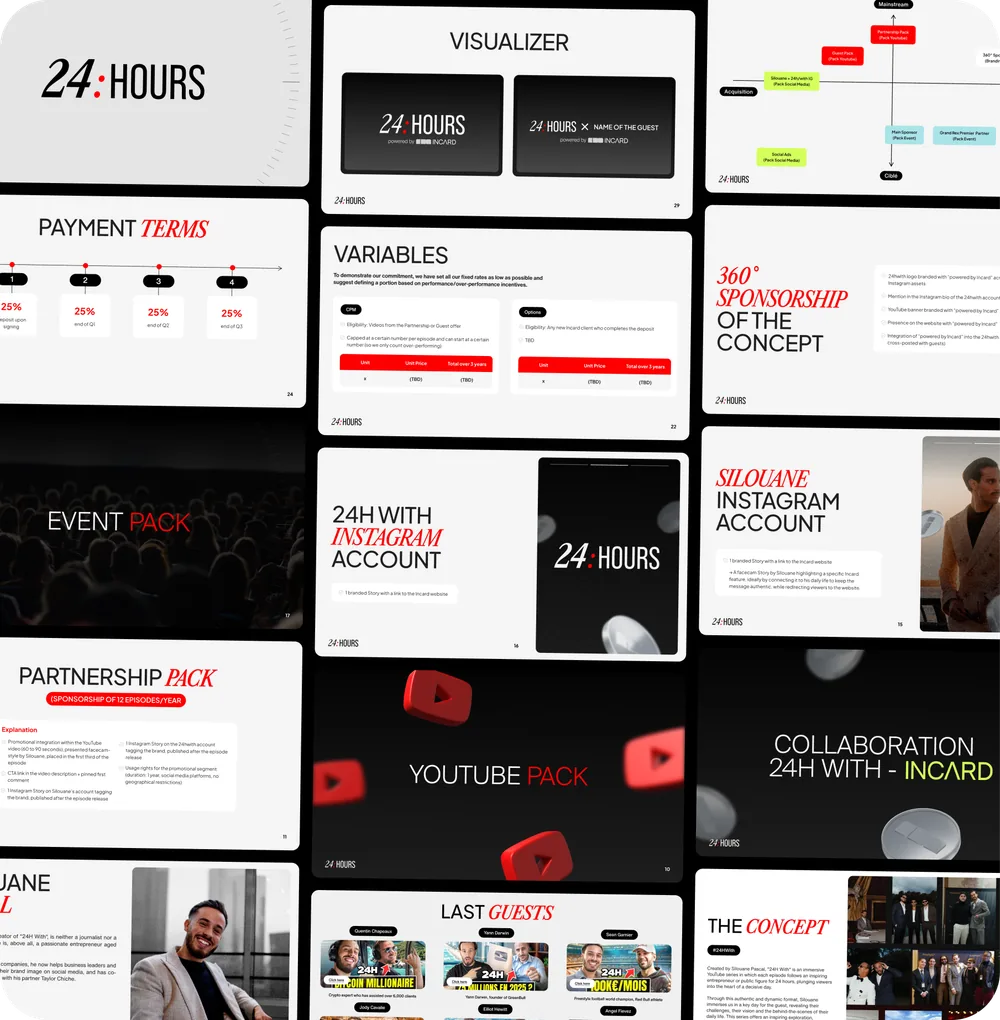
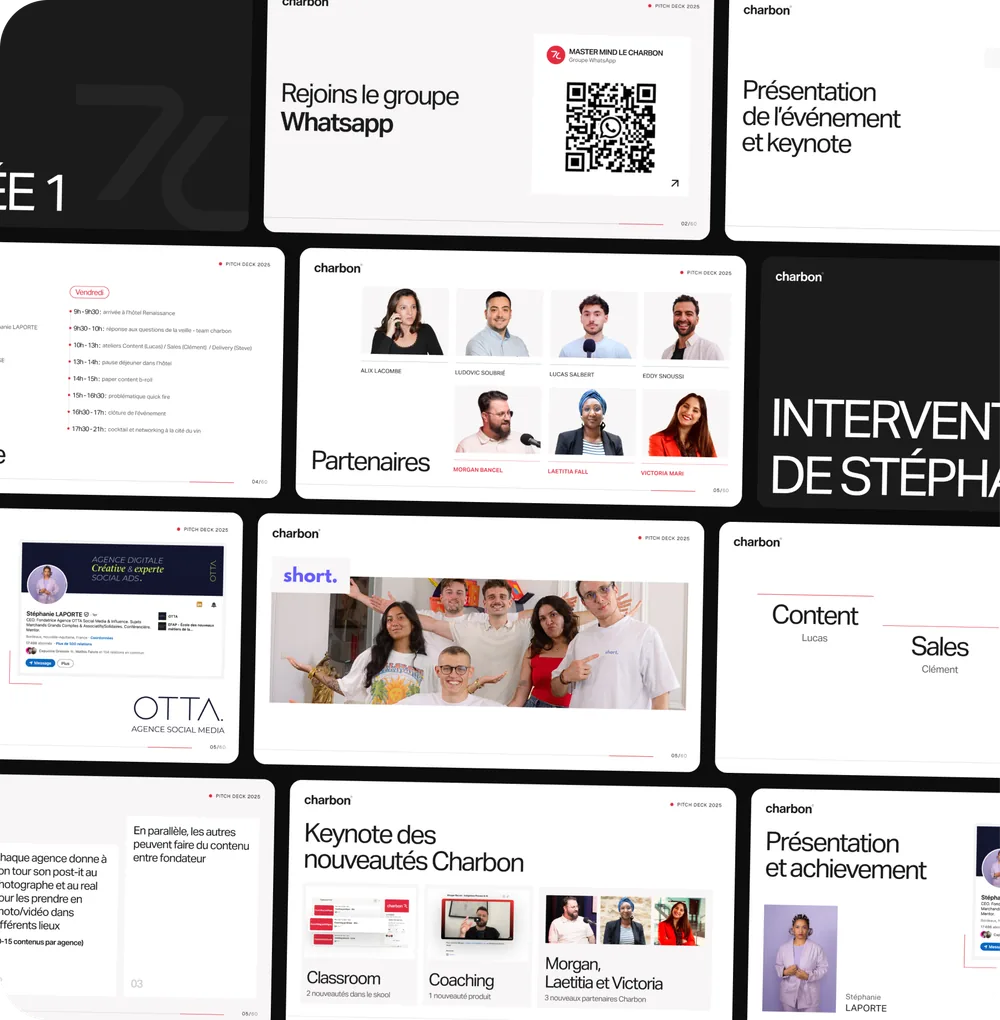
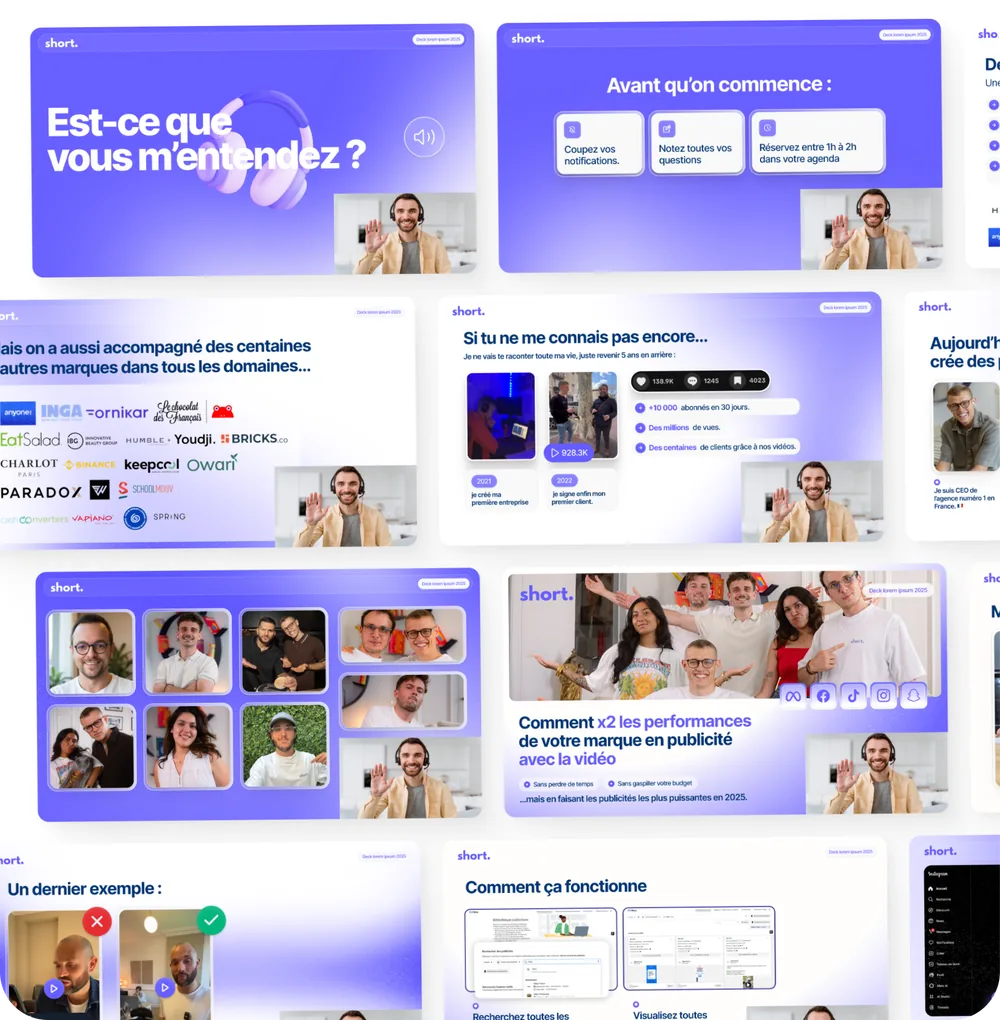
Agency demand spikes when several clients approve work together, then drops before a permanent hire can pay back. A white-label queue can turn that fixed payroll risk into adjustable execution capacity while your team retains creative direction. One account served by our partner provider covers five agencies through the same arrangement.
Cleanest financially, most expensive commercially. The client remembers who was available when it mattered.

The team works late, quality slips somewhere, and the cost surfaces in retention six months later.

A permanent salary to solve a temporary spike, and you are two to three months from the first deliverable regardless.
A low supplier fee does not guarantee a healthy resale margin. Calculate the monthly fee, routed throughput, client billing and internal handling together, using your last three months of work. That produces a cost per deliverable you can defend before you resell capacity.
Your fixed input cost
A flat monthly fee is a known number. It is the only input in this calculation that does not move.
Your throughput
Effective cost per deliverable is the fee divided by what you actually route. An underused arrangement is expensive; a saturated one approaches free.
Your billing model
Per project or per retainer, cost per deliverable falls as throughput rises. Bill hourly and you are structurally penalising yourself for using a faster supplier.
Your internal handling
Briefing, quality review and client presentation still consume your team’s time. This is where the optimistic version breaks. Count it.
Margin per deliverable = client price, minus the monthly fee divided by deliverables routed that month, minus internal handling time. Run it on your last three months of actual client work rather than a projection. If it does not clear at your real throughput, this model is not your answer, and you should know that before signing with anyone.
A hire protects embedded context but turns variable client revenue into fixed payroll. White-label capacity protects flexibility but still requires internal briefing and review. Compare both on real peak and quiet-month demand before choosing the fourth route: a senior internal owner with external execution.
| Hiring a designer | White-label capacity | |
|---|---|---|
| Commitment | Permanent, with notice periods and charges | Often monthly, terms set by the provider |
| Time to first deliverable | Two to three months | Typically a scoping call |
| Cost in a quiet month | Full salary | Often pause, or size down a tier |
| Cost in a peak month | Overtime, or another hire | Same fee, or a higher tier |
| Range | One profile | Branding, web, motion, print, 3D, UI/UX |
| Risk profile | Fixed cost against variable revenue | Variable cost against variable revenue |
Hiring wins when the work is continuous, senior, and needs to sit inside your strategic conversations. Most agencies that get this right do both: senior creative direction stays in-house, execution throughput moves outside.
Results reported by our partner provider for its own clients.
Jaws Group
Agencies
Five agencies across content, media buying, SEO and influencer marketing, each with its own clients and pitch needs. The provider rebuilds raw decks and pitch documents, from 15 to 150 slides per project, delivered on schedule.
Available morning, noon and night, way past midnight. What more could you ask from an agency? Oh right, I almost forgot: they are also incredibly good.
Gamme Agency
Agencies
A full year of continuous production on a starter plan: decks, branding, social media, web design and creative ads, at three requests a month.
I have been a client for a year, and this is hands down the best design solution out there. An attentive, proactive team, tailored results, no-commitment subscription. 100% recommend.
Size on deliverables routed per month across all client accounts. Effective cost per deliverable falls as you saturate the capacity you pay for, which is what makes the margin work.
Occasional creative needs.
Usually fits
Regular ongoing design production.
Usually fits
Higher-volume creative requirements.
Usually fits
Advanced workflows and multiple concurrent needs.
Usually fits
Indicative monthly budgets to help you frame your needs, not Design Scaling prices. Design Scaling does not sell design work: the provider you are matched with quotes, contracts and invoices the service directly.
No. Design Scaling matches you with a selected independent provider. White-label, resale and confidentiality terms are agreed directly between your agency and the provider, who delivers and invoices.
It should not. Ask for unbranded native source files, ready for your team to review and present under your own name, and get it in writing.
With most white-label providers, yes: it is the standard agency case, and throughput decides the tier rather than the number of accounts.
That is set by your contract with the provider. Make sure source file ownership transfers to you, so it can pass to your client under your own contract.
Tell us the throughput you would route in a normal month. We will tell you honestly whether a flat fee beats project pricing at that level, and it does not always.
It depends on the provider tier. For sustained multi-client delivery, look for a tier that runs at least two requests in parallel.
Tell us what you need, how much of it and what you spend today. We qualify the request and connect you with a selected independent provider who quotes and delivers the work.
Find my design solution